CP70_Resonator
by Carlos Ema in collaboration with Gökay Atabek, Nicolai Giezen & Siavash Jafar
(March'2025-March'2026). Funded by Makers Regeling Subsidy, Gemeente Den Haag.
As a continuation of my research in feedback systems (see NephSye° project with ceramics & guitar, 2023), I'm building a Resonator for a piano. The goal is to make the strings of the piano vibrate by a feedback circuit produced with electromagnetic coils.
The Electric Piano Yamaha CP70 has 2 very unique features extremely appropriate for the CP70_Resonator:
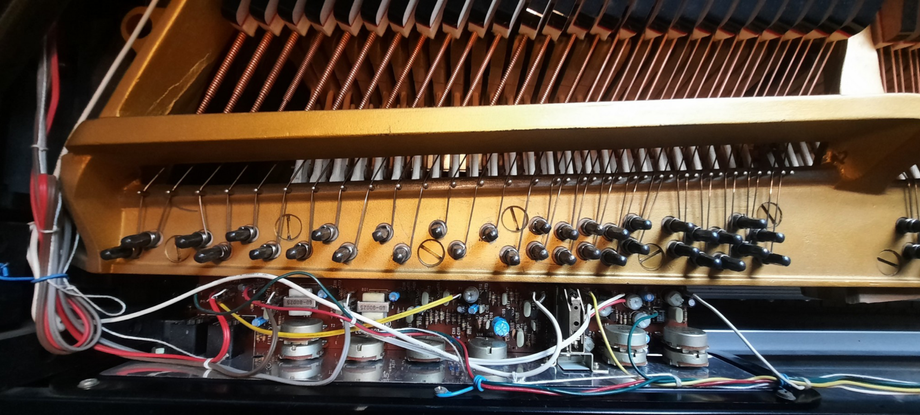
1.It is just an acoustic grand piano but it has originally built in every string an electromagnetic pickup to capture its vibration (something like a small microphone). This makes already a starting point of half of the components needed for the CP70_Resonator.
2. It has also MIDI sensors in every key. MIDI data (note and its intensity) will be sent with precision to the microcomputer that controls the CP70_Resonator.
I personally love the sound of the Yamaha CP70. It really has a unique sound texture and color. With the CP70_Resonator installed inside I’ll have free hands to play piano in a conventional way together with the possibility of playing with the resonances immediately and precisely. This would have in principle 3 different results:
1. Notes will prolong as much as desired after being hit by the hammers of the piano.
2. Notes will begin soft and slowly (as a violin played with a bow).
3. A combination of 1. and 2.
The use of a microcomputer that digitally filters the feedback circuit offers many possibilities for new performance techniques: overtones sequencing, playing with the attack duration, glissandos between overtones, using an external MPE keyboard to polyphonically control the amplitude, pitch and overtones of each string... and much more to discover.
Furthermore, the acoustic interactions between the overtones of every string plus the feedback saturation brings very interesting sound possibilities to the piano sound and its performance.
Special Thanks to:
Marja Agema, Annemieke Bláha, Santiago Pozo, Lex van den Broek, Simone Sacchi, Frédérique van Dijk, Wout van Dijk, Mark Tirado, Arturo Ramón, Nico Lartey, Guillermo Martin Viana, Ezequiel
Menalled, Luz Lassizuk, Rai Kempees, Radio Twenthe Den Haag
... and those who I may forget.
Den Haag, 2nd April 2026


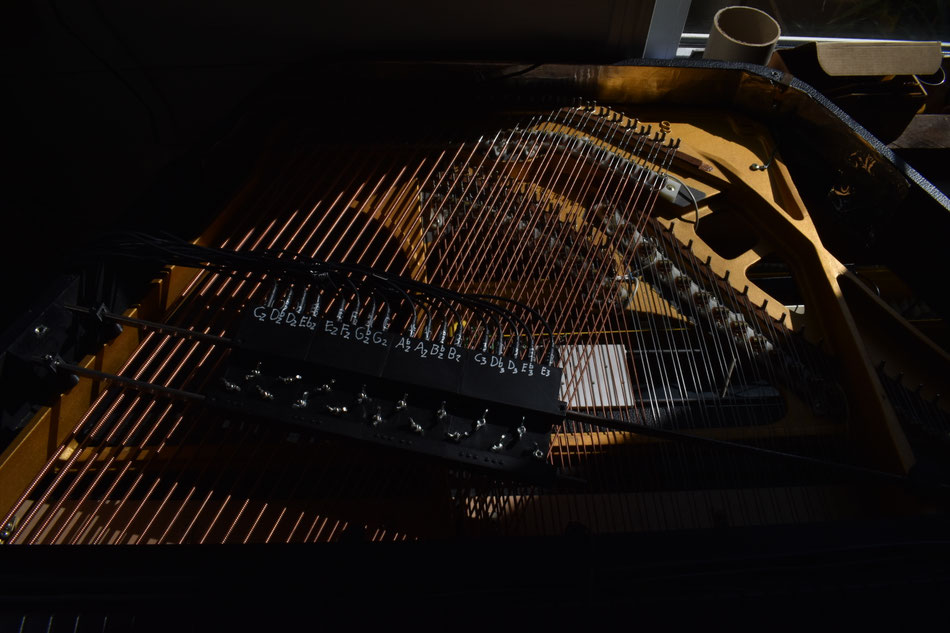
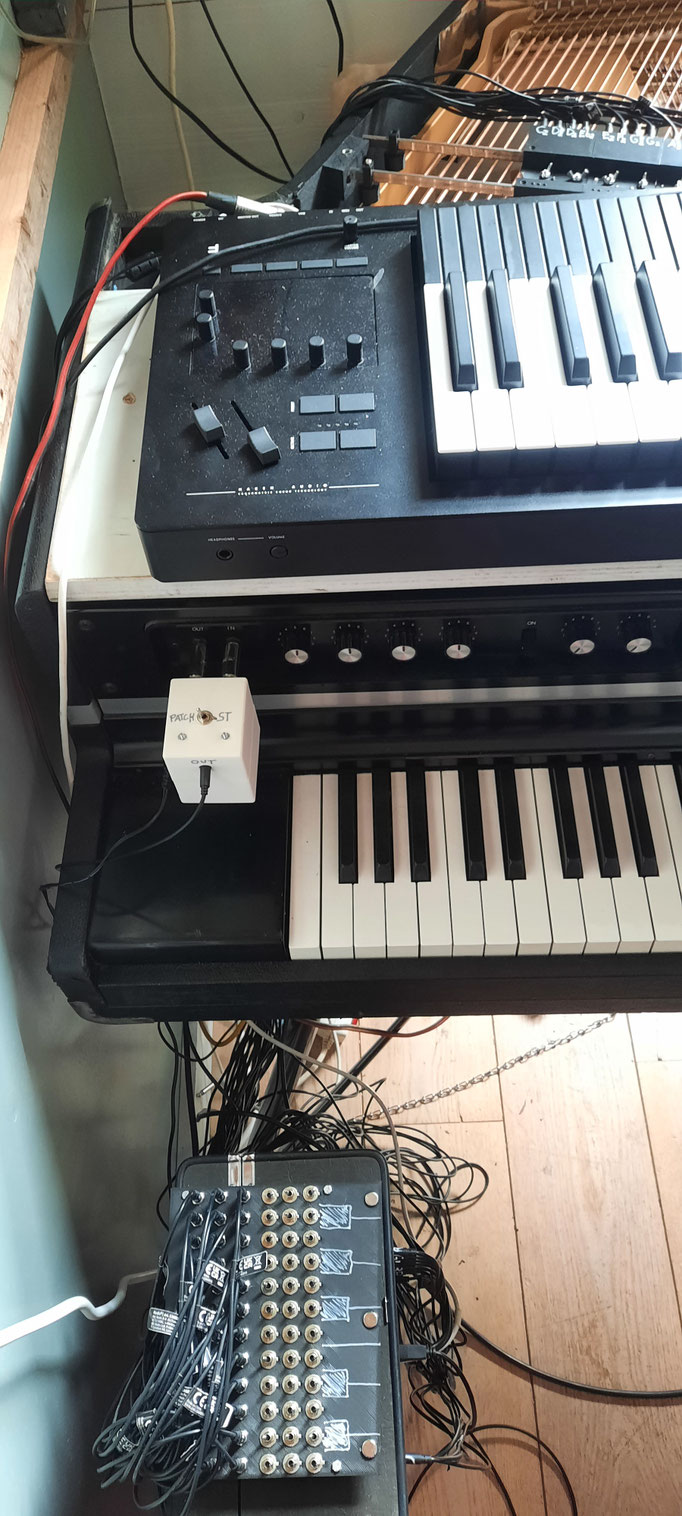
First Prototype of the CP70_Resonator. 24 coils (2 octaves C2-B3). Next upgrade: 3 octaves.
Pictures of the process
Coils
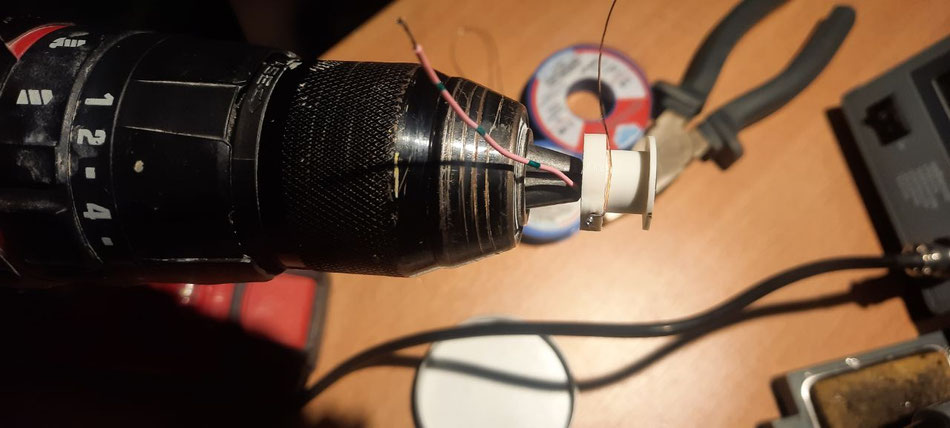
Winding coil with the drill
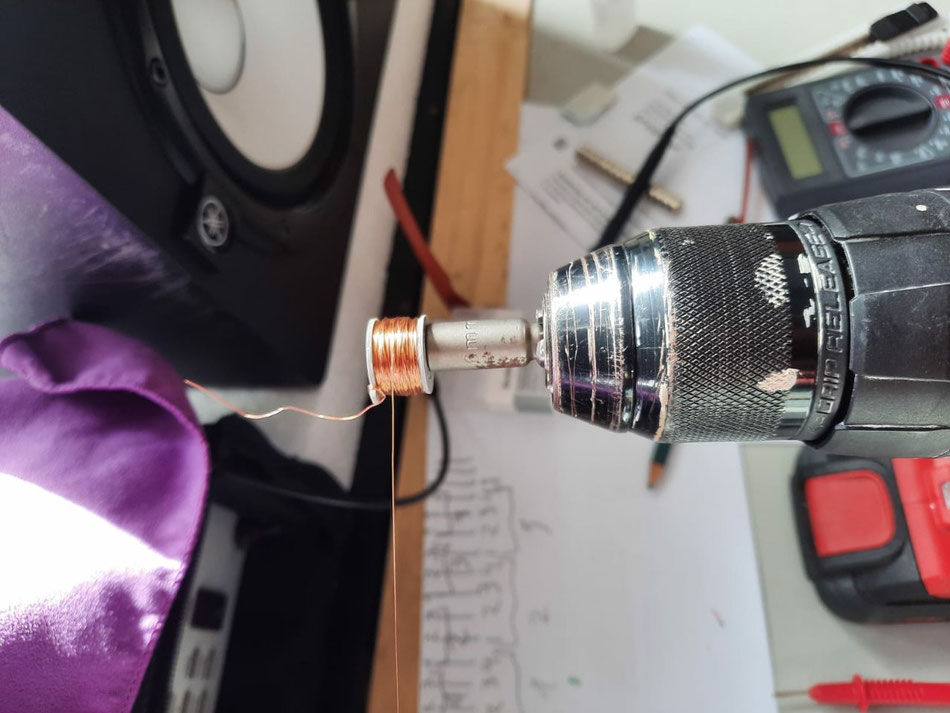
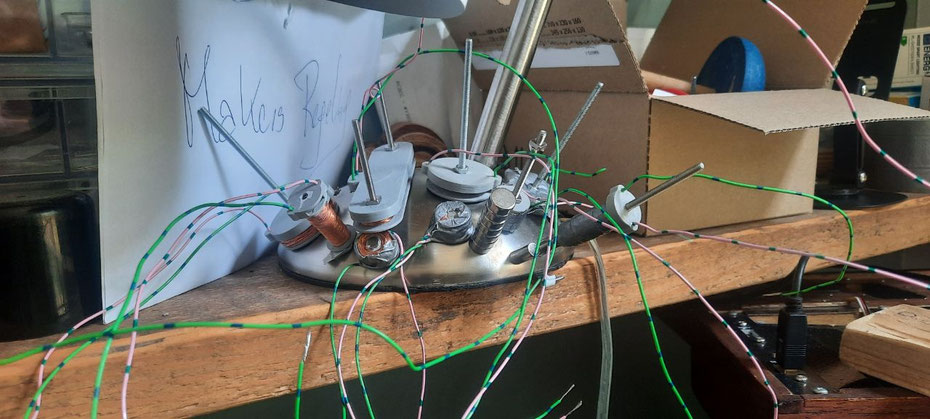
Coils Research
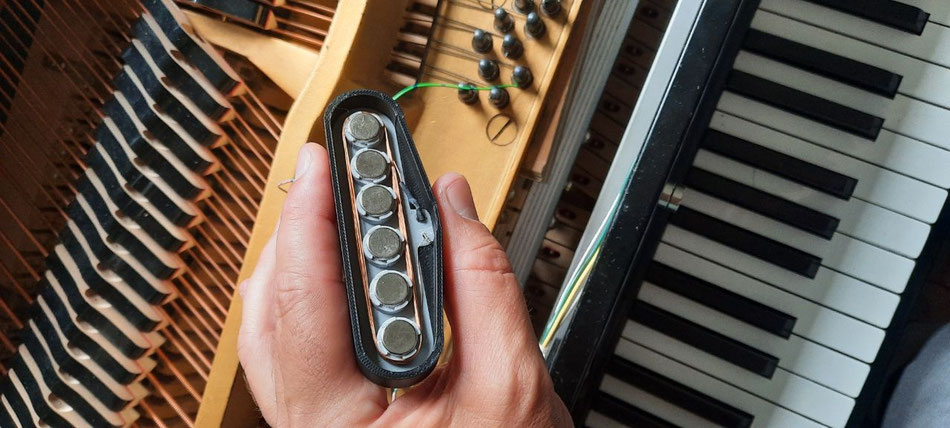
Hexa Coil (6 magnets) in a mold to apply resin (to avoid microphonics and extra noisy vibrations)

Hexa Coil (6 magnets) with resin just applied (to avoid microphonics and extra noisy vibrations)
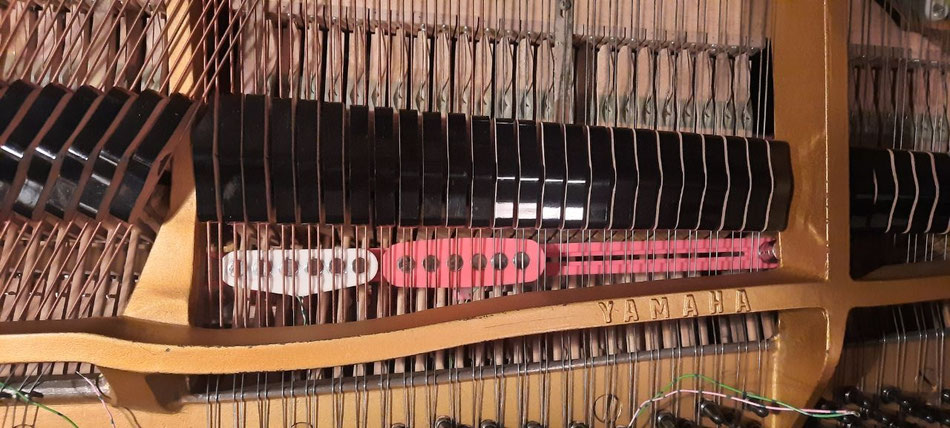
2 Hexa Coils (6 magnets) in place. Left with resin and right with wax. Applying wax was not a good idea due to the high application temperature that deform the plastic of the coils, but also because the coils would heat up while in operation, which could melt the wax in the future.
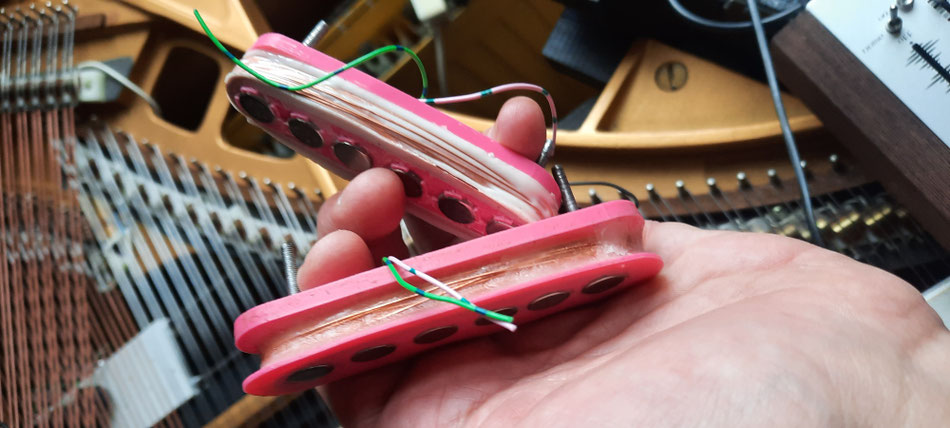
Hexa coils wax and resin
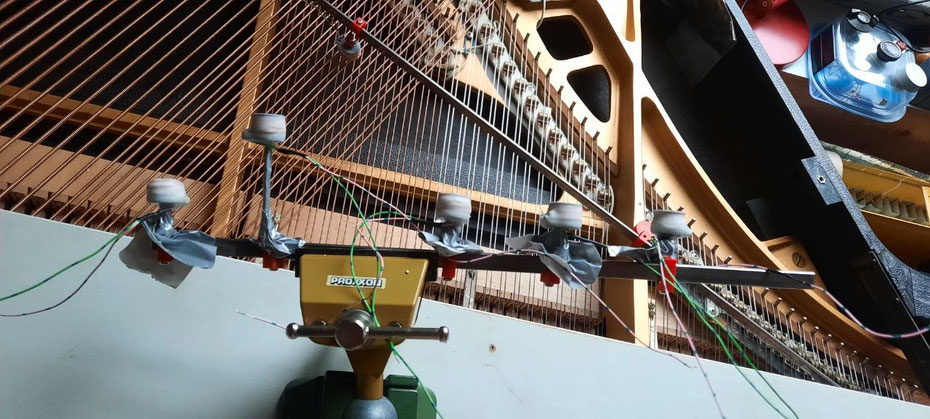
Single coils applying resin
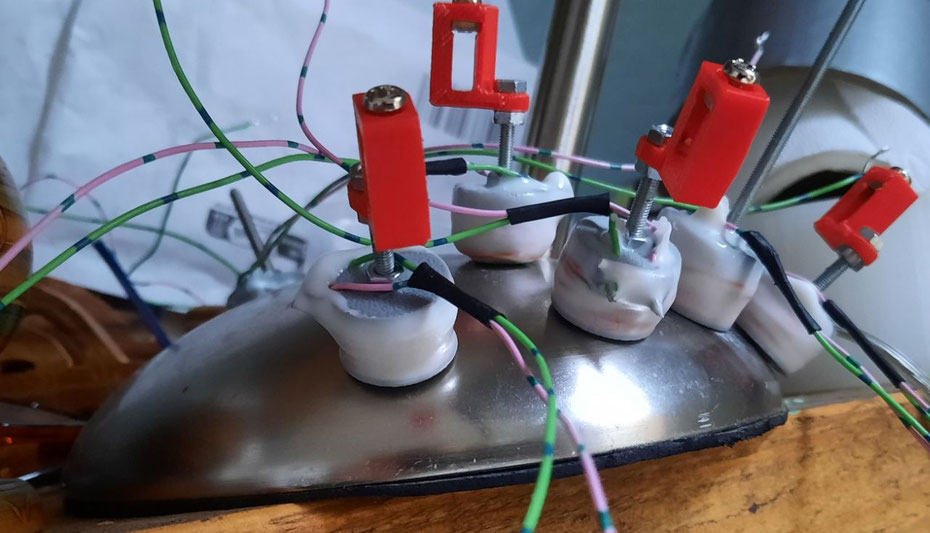
Single coils with resin and individual supports

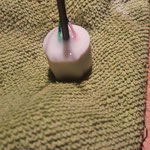
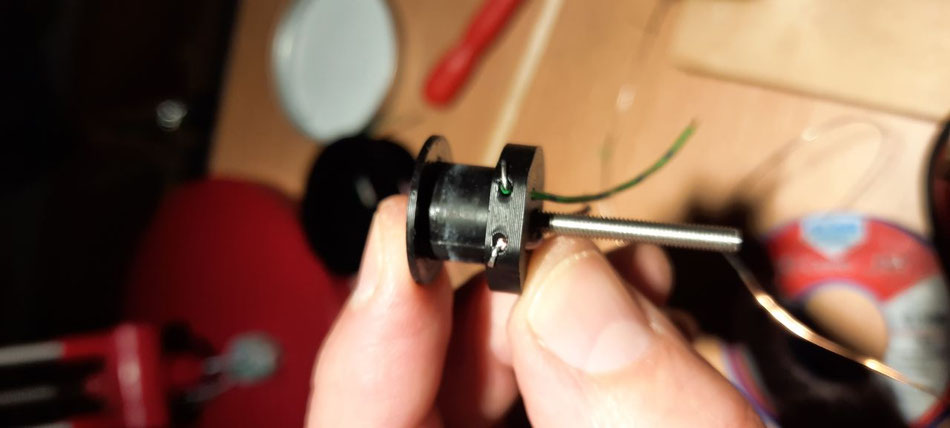
Soldering terminals of the last prototype for the coils
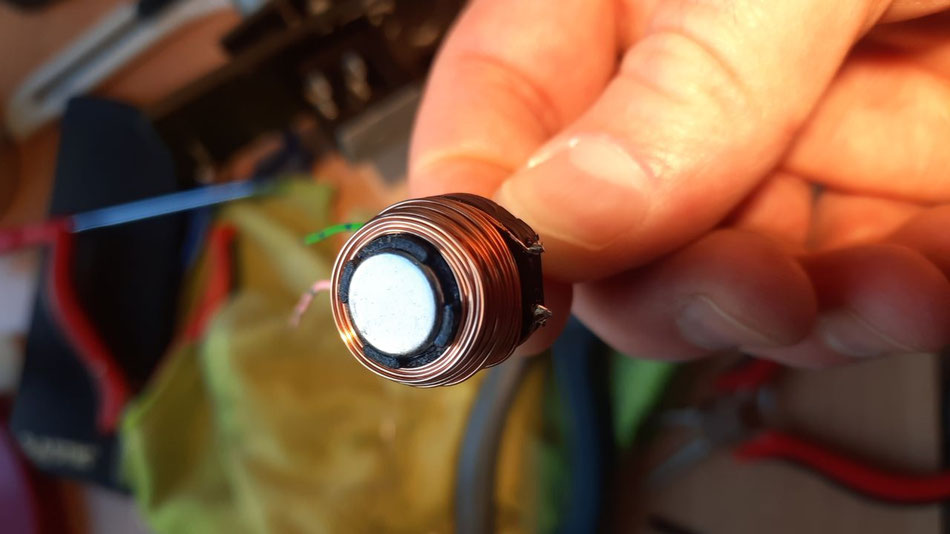
Last prototype of coil before applying resine and capsule (using coil winder by Siavash Safari)
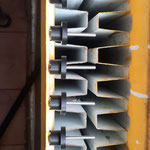
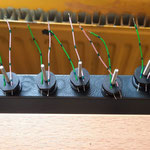

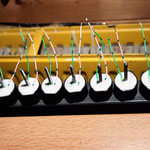
Supports
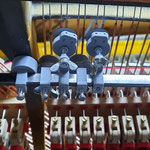
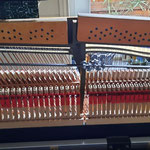


Individual supports combining single and hexa coils

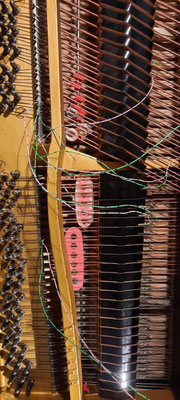

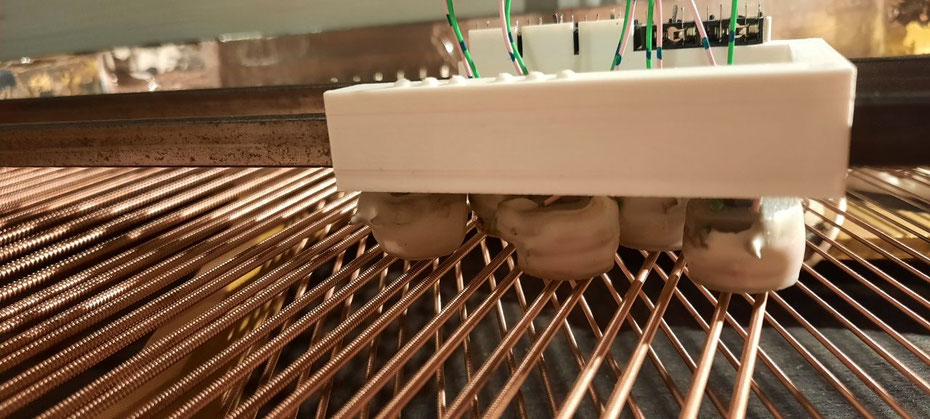
6 Coils support in place
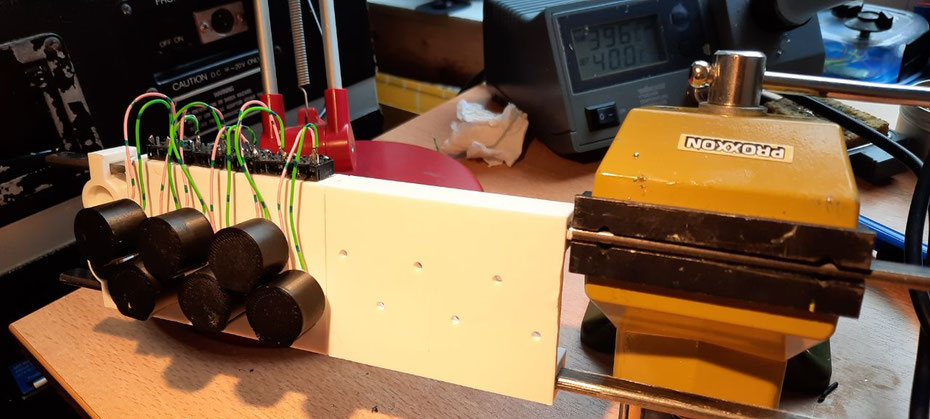
6 coils support just soldered connections
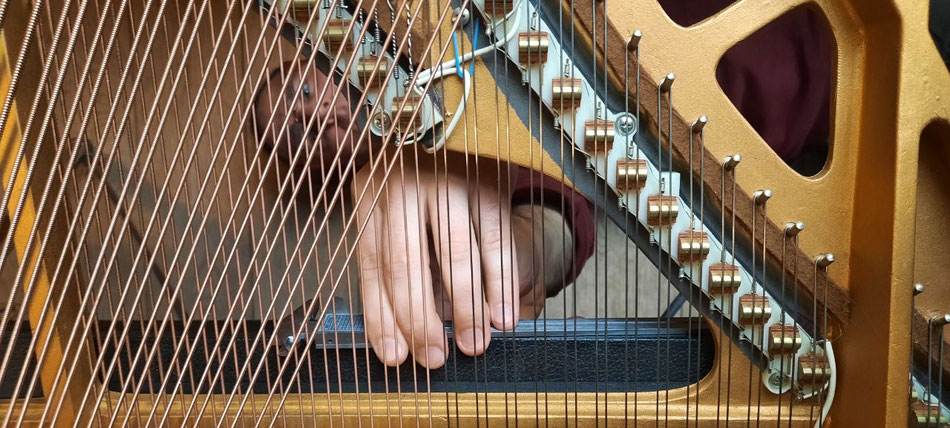
Measuring distance between strings to design the group supports.


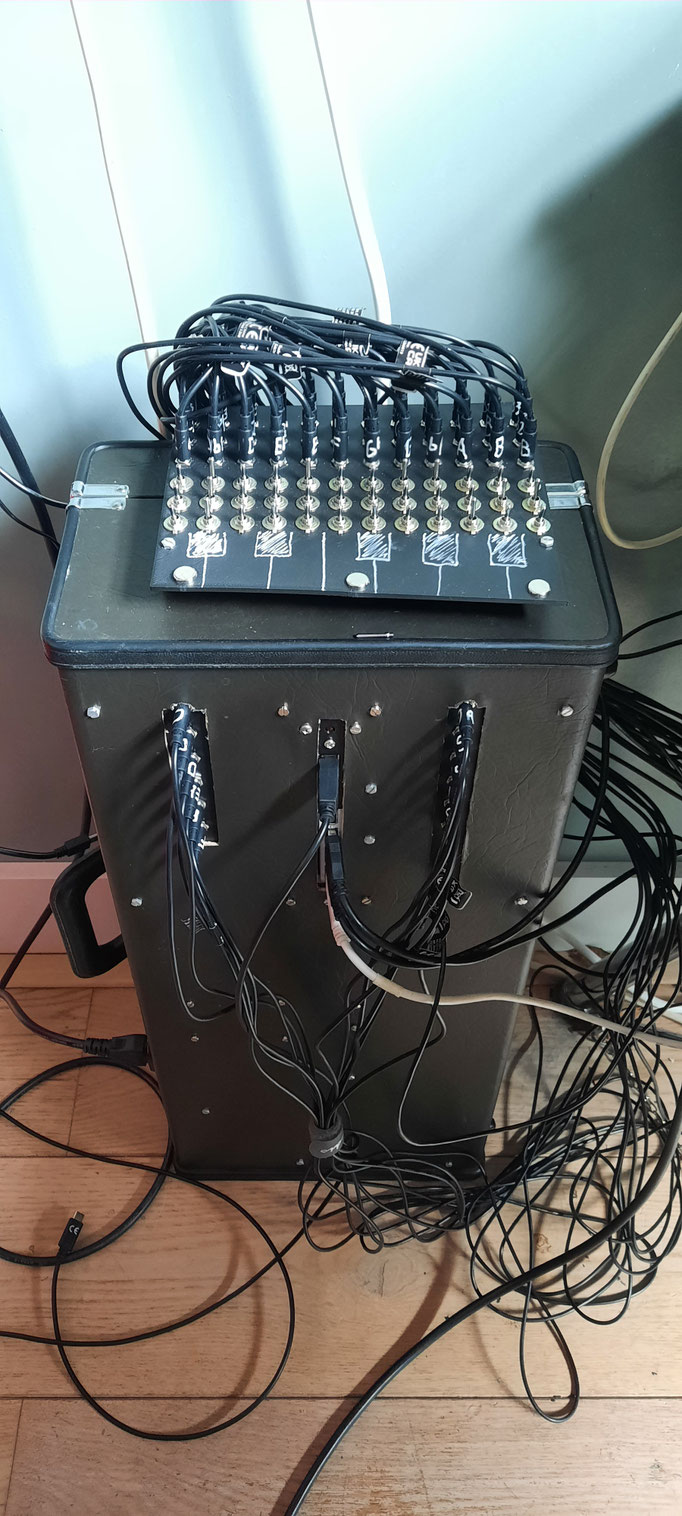
Main Box
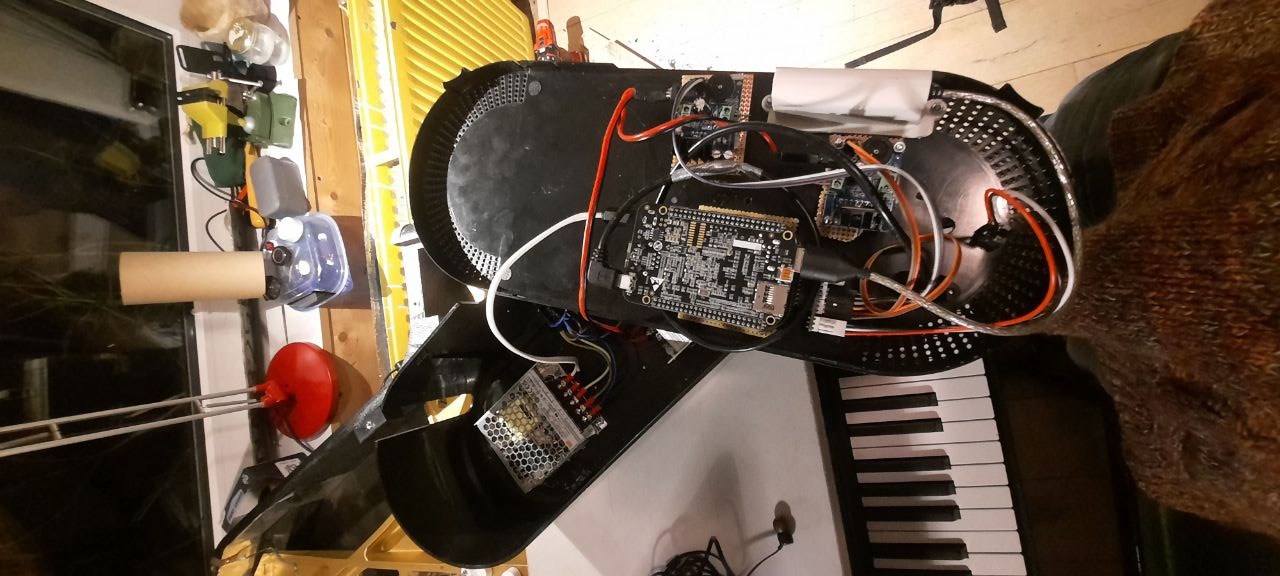

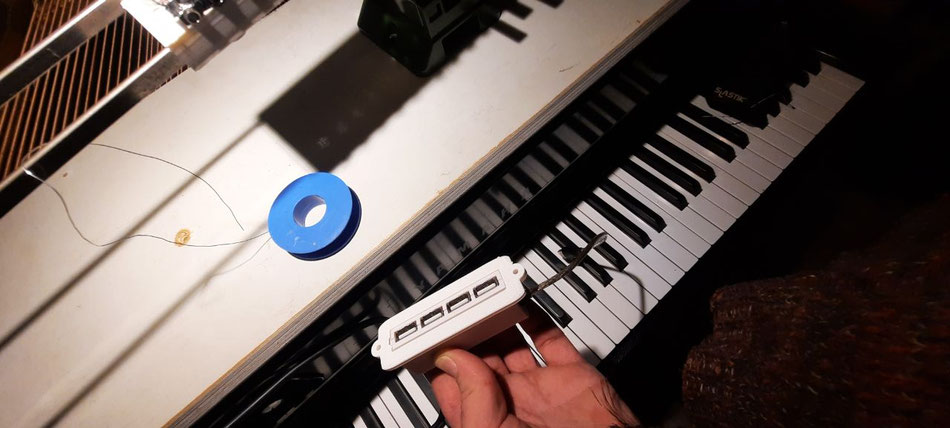
USB hub case (3d printed)
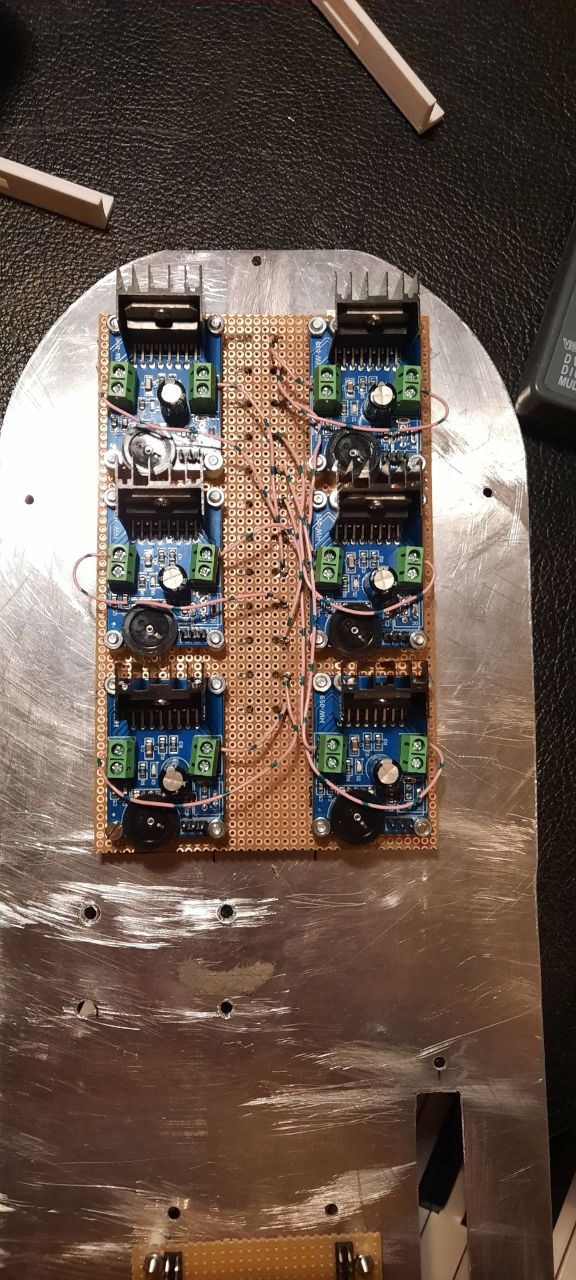
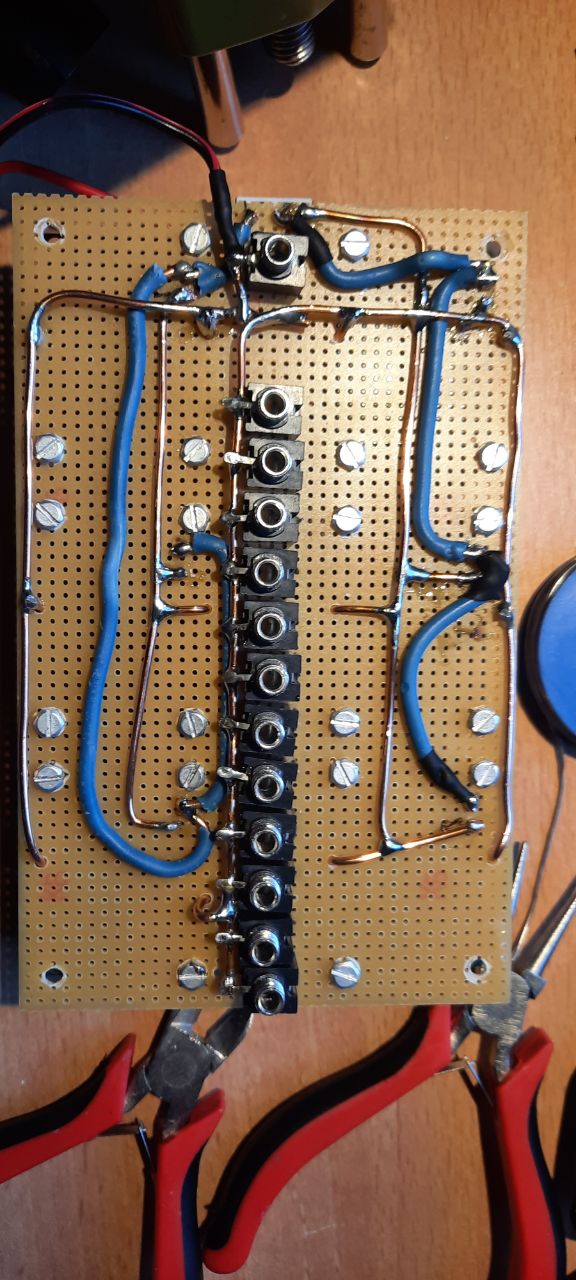
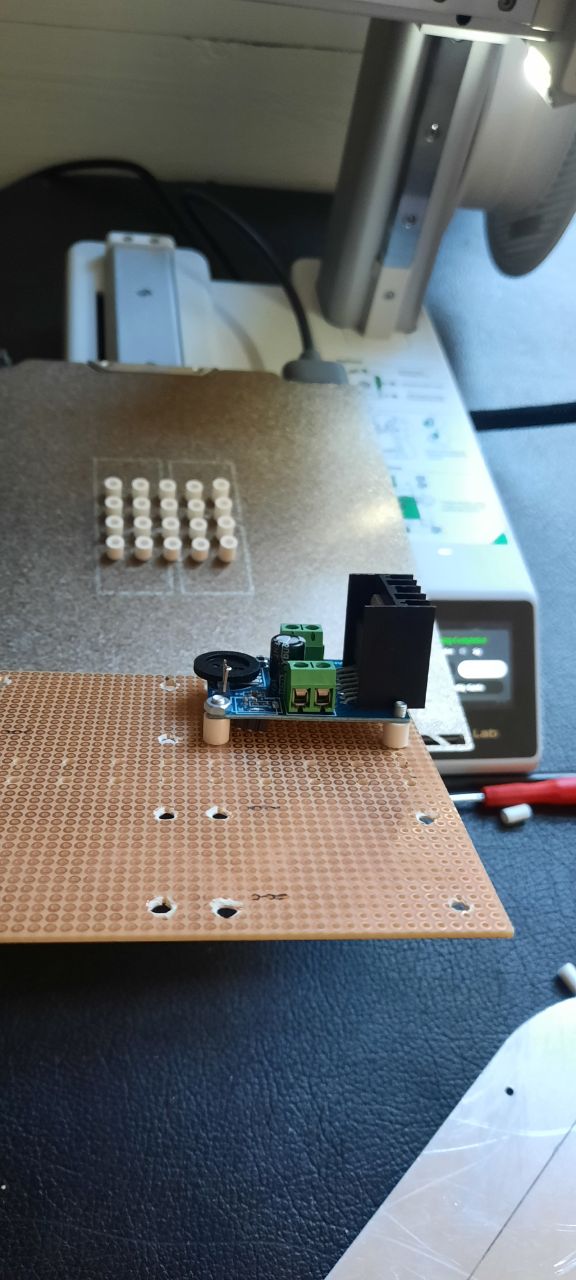

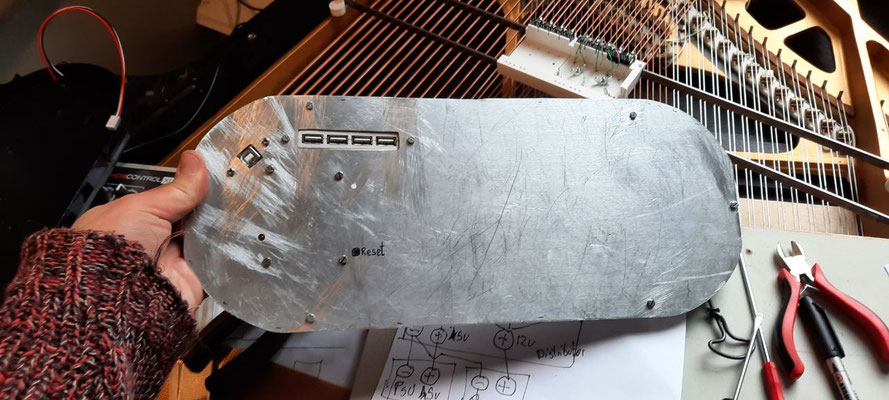
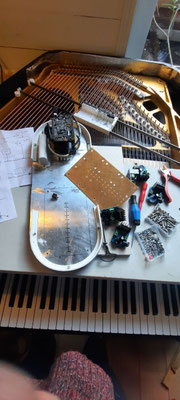

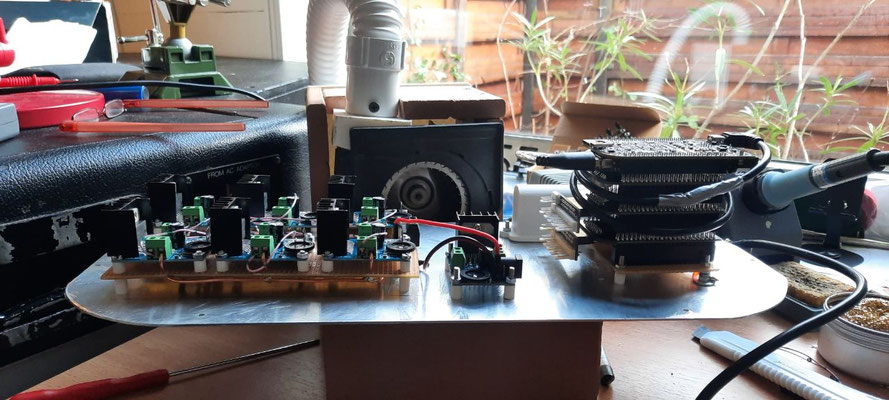
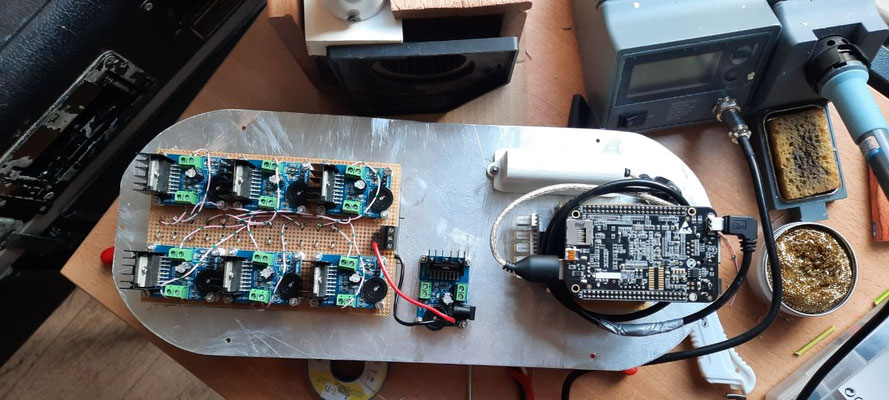

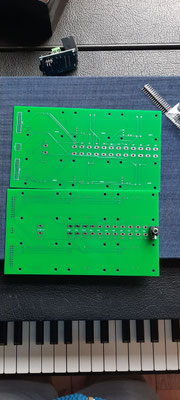
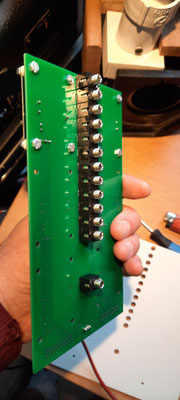
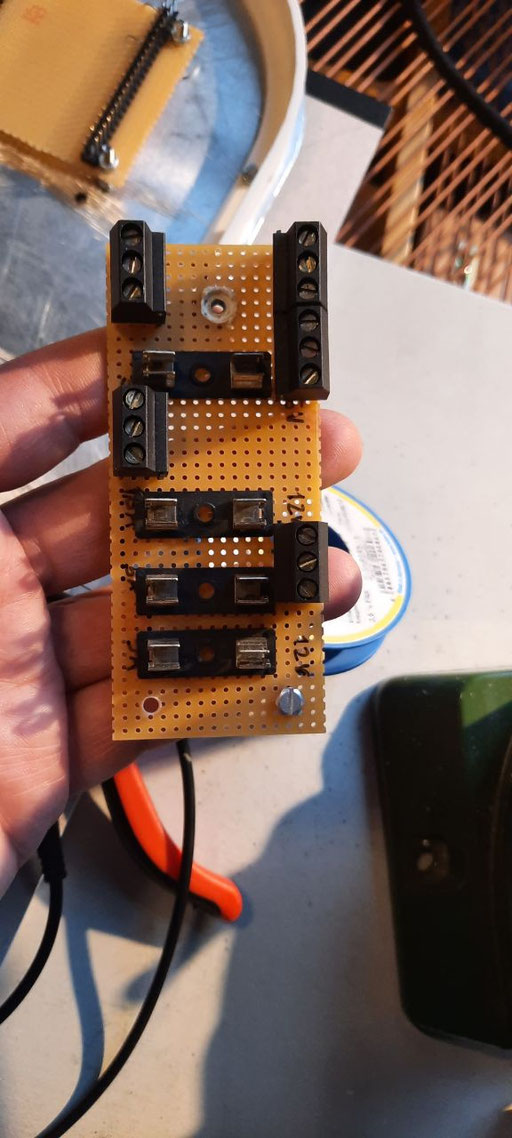
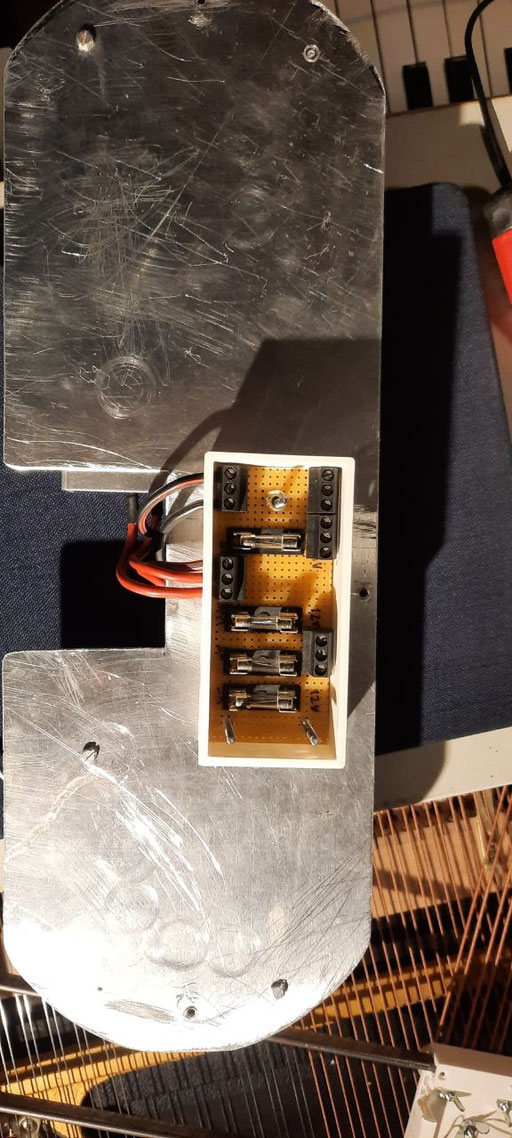
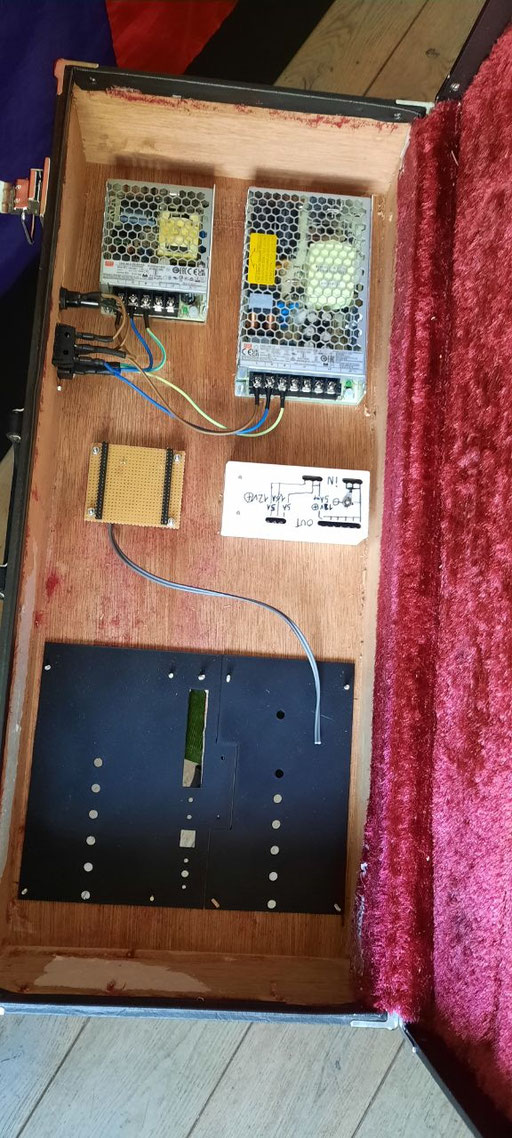
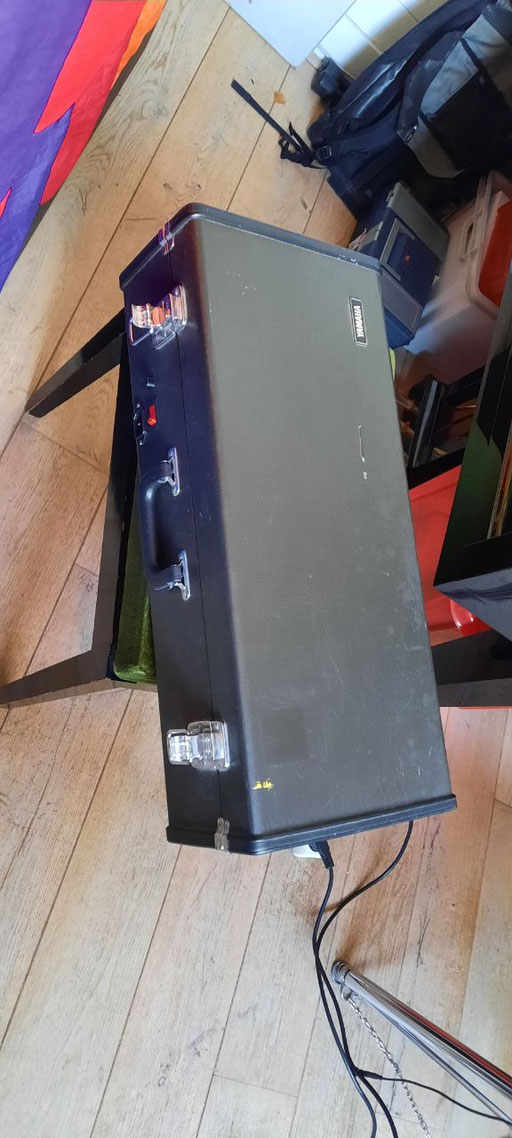
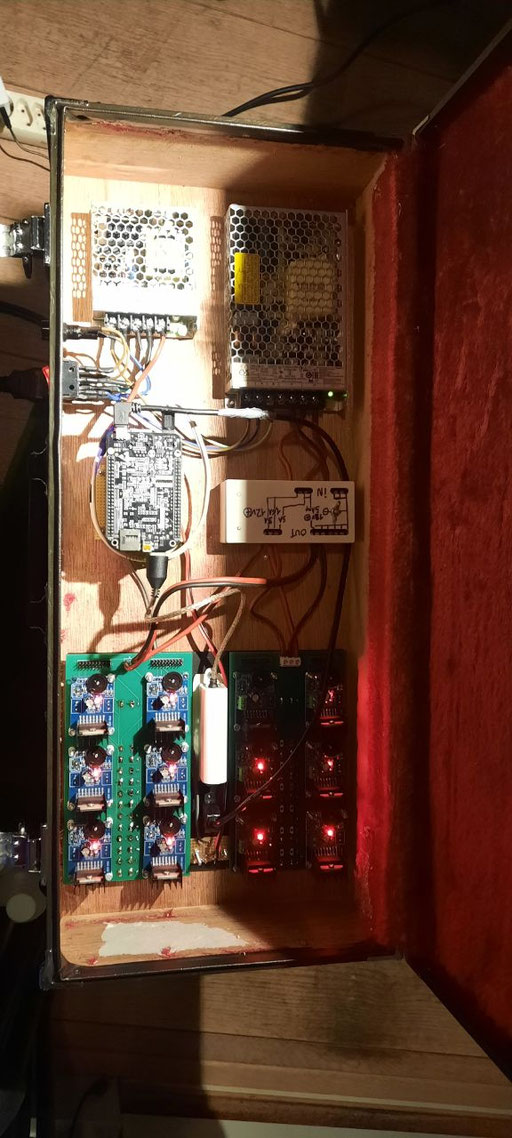
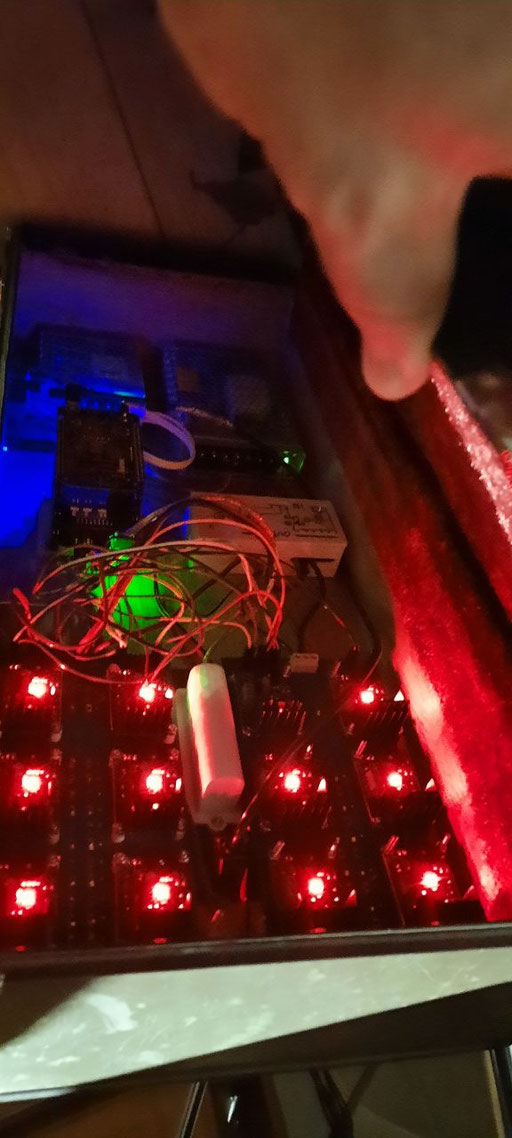
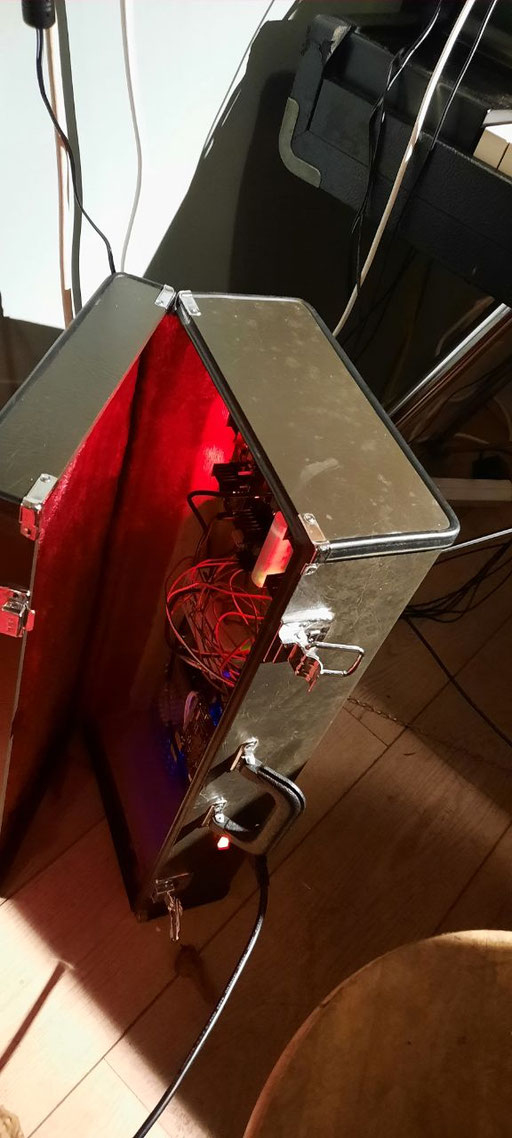
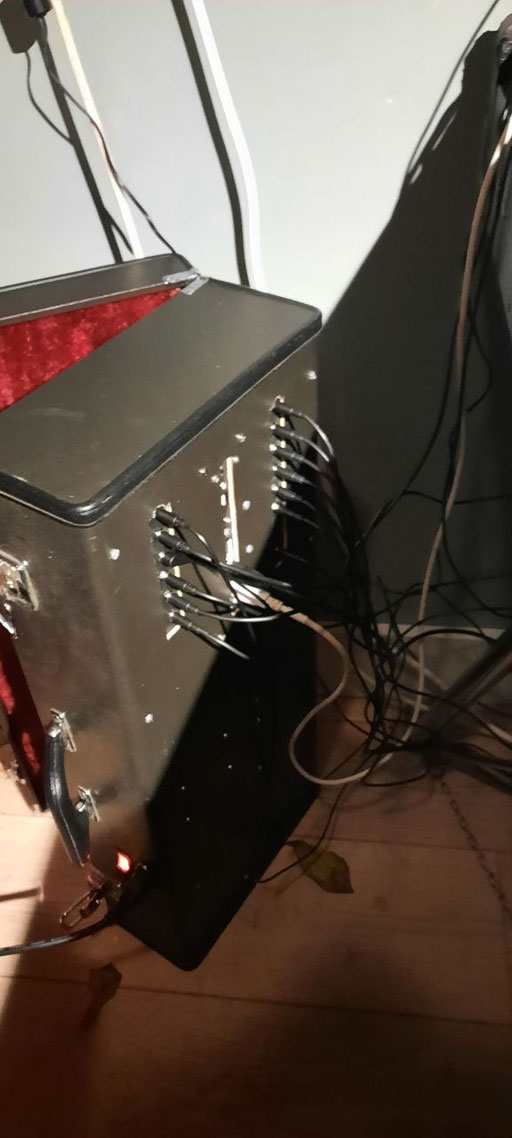
Main box 2nd design aluminium lid inside + preamp & 6 amplifiers board with too many cables... So I decided to design a PCB to print for the amplifiers board

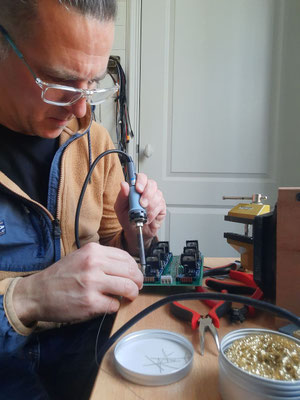




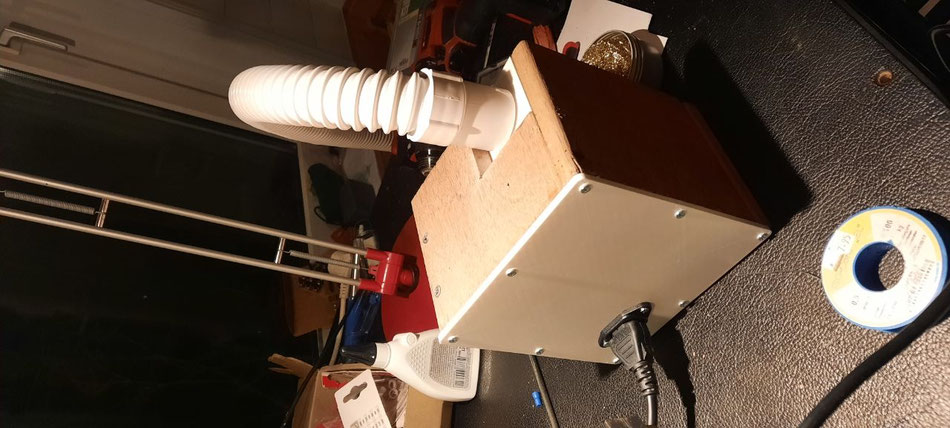
Extractor for soldering smoke (wood and 3d prints)